 PT / EUR







 Order Status
 Return Status
 Frequently Asked Questions


Office shoes you can actually wear all day
 Be Lenka
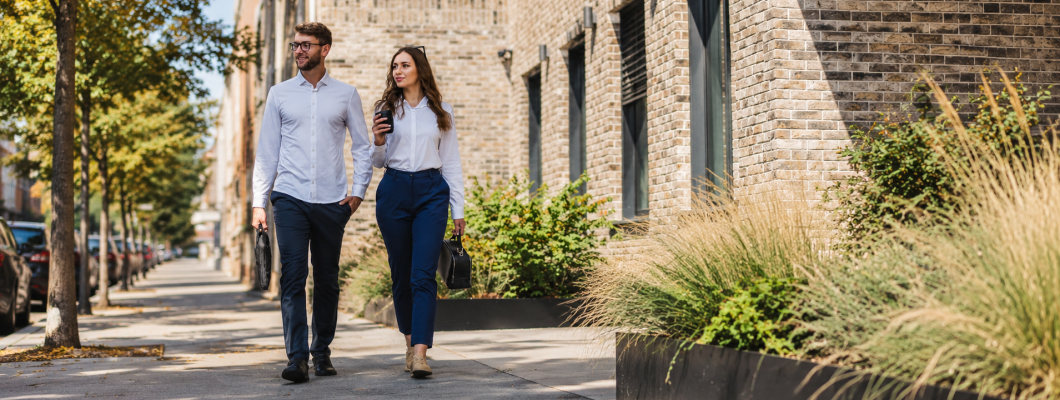
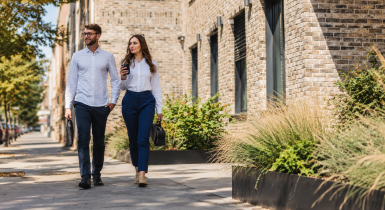
You know the feeling: in the morning you happily slip into heels, lace-ups or ballet flats, and by the afternoon you're quietly easing them off under the desk. Office shoes need to look smart, but they also have to handle long stretches of sitting, walks across the building, standing around with a coffee and the commute home. The good news is that comfort and a smart look aren't mutually exclusive.
Contents
- Why do your feet hurt when you sit all day?
- What good office shoes should offer
- Barefoot loafers for work
- Barefoot ballet flats for work
- Shoes for a relaxed dress code
- Shoes for difficult feet
- Frequently asked questions

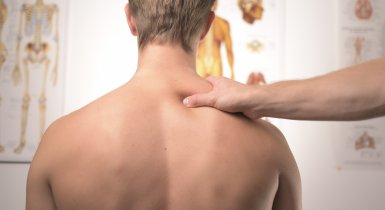
Why your feet hurt even when you sit all day
A working day usually isn't just eight hours at a computer. It also includes the commute, stairs, the lift, walks down corridors, meetings, standing at the printer, lunch out, and after work perhaps some shopping or meeting friends. Your feet cover more movement over the day than we tend to realise.
Sore feet can also be made worse by shoes that look elegant but don't give the foot enough room. A narrow toe box presses the toes together, which creates pressure especially across the forefoot. A raised heel changes how weight is distributed and shifts the body slightly forward. The foot then can't work naturally, because it spends the whole day adapting to the shoe.
That doesn't mean every elegant shoe is automatically uncomfortable, of course. Comfort comes down to the cut, the material and the construction. If a shoe respects the shape of your foot, stays put and doesn't restrict your toes, the working day becomes far more pleasant.
What good office shoes should offer
When choosing office footwear, it isn't enough to look at the colour or whether it matches a blazer or a nice dress. Barefoot office shoes show that a smart appearance can go hand in hand with a comfortable feel.
- A roomy toe box - toes need space all day long. An anatomically shaped toe box lets them spread naturally instead of being crowded into the narrow front of the shoe.
- A flexible sole - the sole should bend in a way that lets the foot use all its joints, bones and muscles fully. If it's too stiff, the foot has to adapt to the shoe and the range of movement is significantly restricted.
- Zero drop - drop is the height difference between heel and toes. With zero drop, heel and toes sit on the same level, which gives the foot better stability and the body a more natural posture when standing and walking.
- Breathable material - leather or good-quality textile works well in an air-conditioned office and on warmer days alike. Both help keep the feel pleasant over long wear, because they move moisture away more effectively.
- How it stays on the foot - the shoe shouldn't slip off at the heel when you pick up pace, and your foot shouldn't slide around inside. With office shoes, a good cut, soft material and the right size matter just as much as the look.
Barefoot loafers – elegance for the whole day
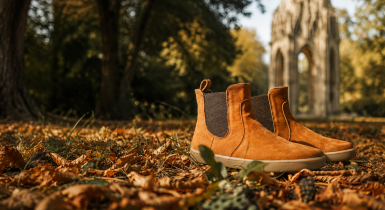
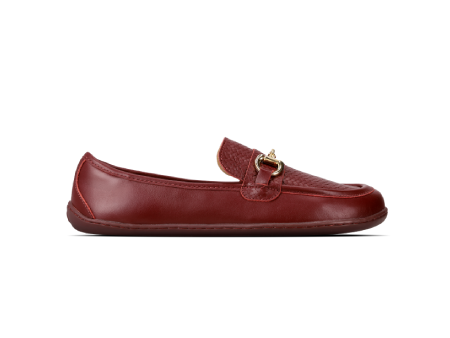
If you're looking for comfortable shoes for work, loafers are among the most practical answers. They look smart, they're easy to combine, and with the right cut they'll carry you through a long day on your feet. Classic loafers, though, often have a narrower toe, which can press the toes together. Barefoot loafers solve that with an anatomical shape, a softer construction and plenty of room at the front.
Leather gradually moulds to the foot as you wear it, so a well-chosen pair will serve you at the office, at a business meeting and on the move across town. Loafers pair easily with a suit, a skirt suit, chinos, a shirt, a blazer, a skirt or a simple dress.
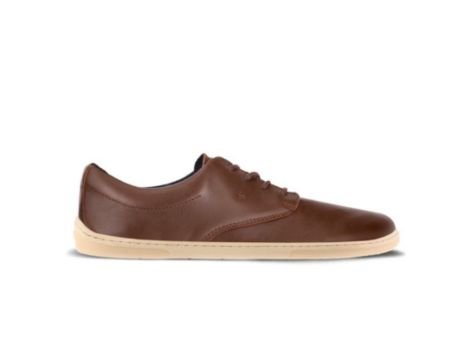
If you need a versatile model and have a wider foot, take a look at the Buena barefoot loafers. They're a good choice for women who dress more casually for work. Viva looks more elegant and delicate, so it suits more feminine outfits in particular. Divella is the bolder piece, with a subtle pattern that finishes off more sophisticated looks. Prestage, meanwhile, is the more premium choice for men who want to look genuinely polished.
You'll find the full range in the barefoot loafers category, and separately as women's barefoot loafers or men's barefoot loafers.
Barefoot ballet flats for the office and for meetings
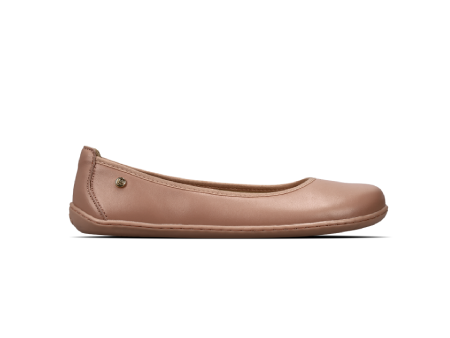
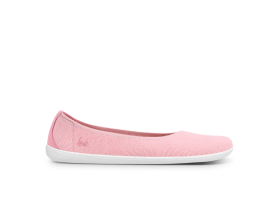
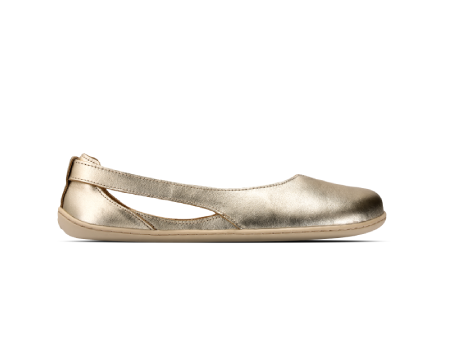
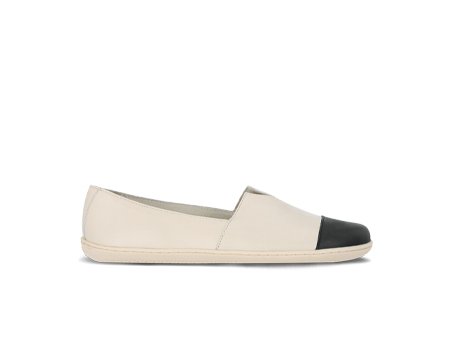
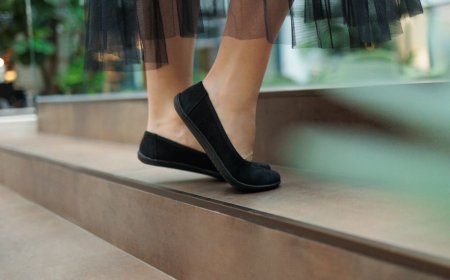
Do you prefer finer lines and minimalist shoes? Barefoot ballet flats are an excellent alternative to heels. They look smart in the office, yet compared with many conventional flats they can offer more room for your toes. You'll appreciate that most when you're standing a lot, moving between meetings, or heading straight into town after work.
In formal settings with a stricter dress code, neutral shades work best. Black, brown, nude or darker tones combine easily with trousers, a skirt, a shirt, fine knitwear or a blazer. Minimalist models like Sophelia read as timeless classics you'll wear season after season.
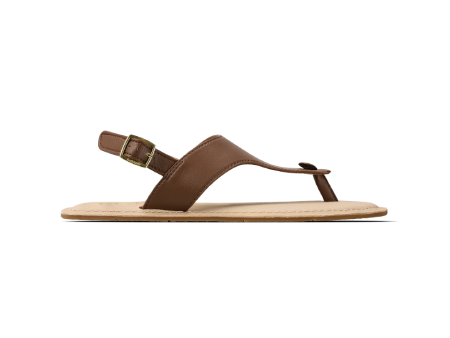
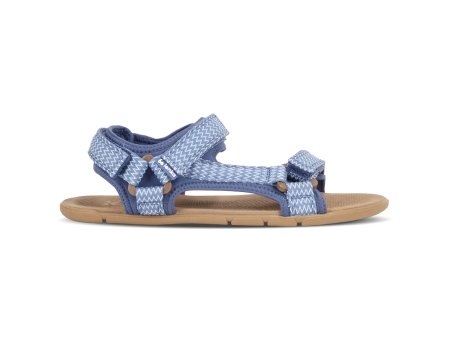
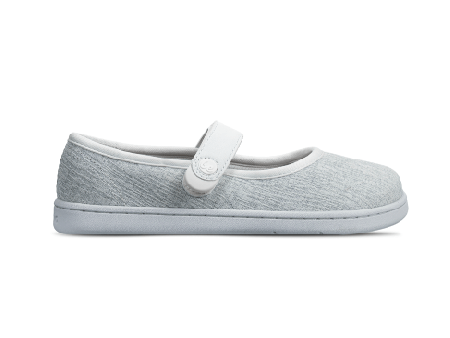
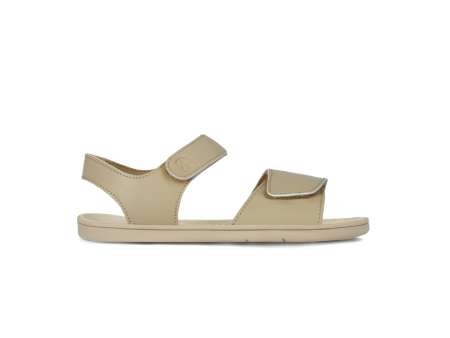
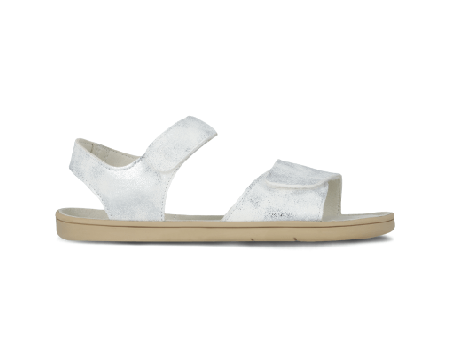
Lilea and Amalea also suit more representative occasions, when you want the shoes to look elegant but stay comfortable. Thanks to their open cut and breathable material, Delight and Bellissima are ideal for the warmer months, or as versatile smart indoor shoes to keep at work.
Worried that ballet flats won't look elegant enough? The right shape and material help, and so does the styling itself. Choose simple shades that work with your trousers, tights or skin tone – black, brown, beige or nude. Cropped ankle-length trousers, straight cuts, a midi dress or a clean-lined blazer balance an office outfit nicely.
When choosing, pay particular attention to whether the flats sit securely at the heel and don't press at the front of the shoe. If colour is your starting point, begin with the barefoot ballet flats category, or more specifically the black barefoot ballet flats selection.
When your dress code is more relaxed
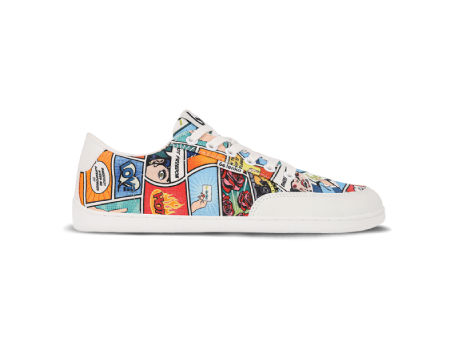
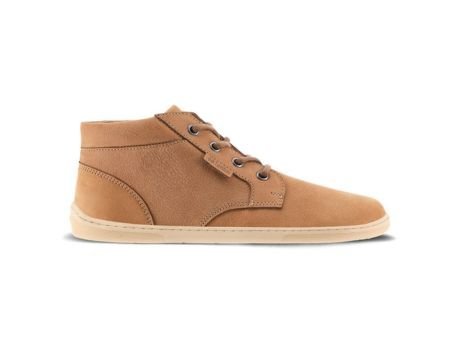
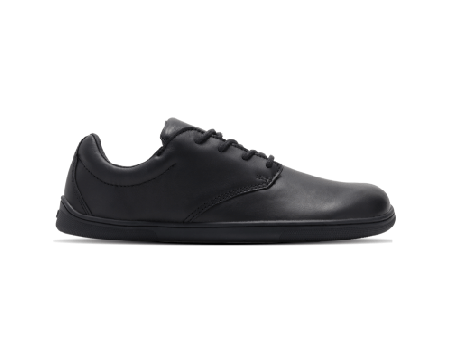
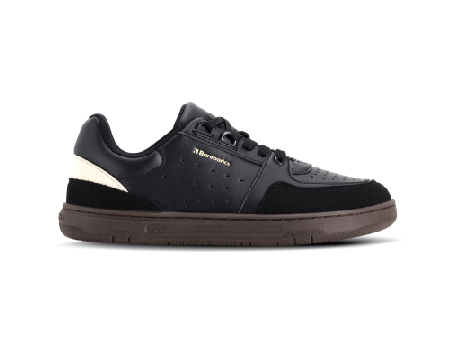
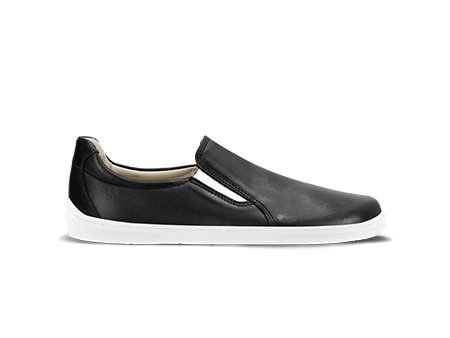
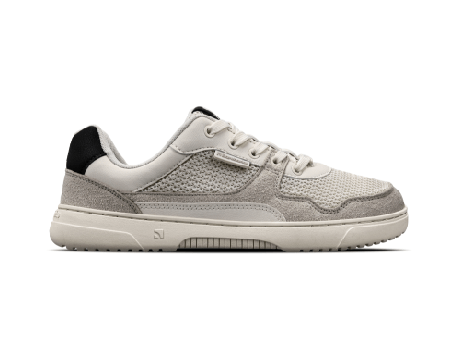
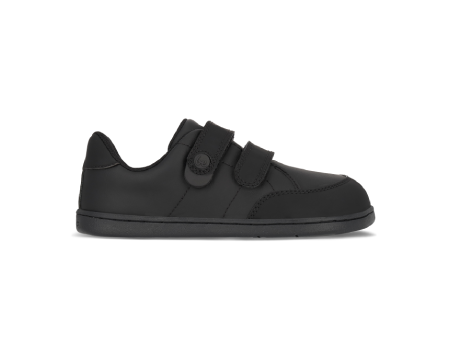
Not every office requires elegant shoes or formal lace-ups. If you work somewhere that allows smart casual or a more relaxed dress code, you can reach for simpler trainers or slip-on styles too. What matters is that they look tidy and combine with a blazer, a shirt, a plain tee or straight-cut trousers.
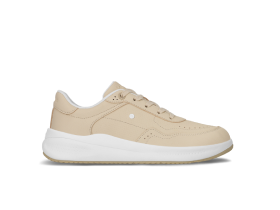
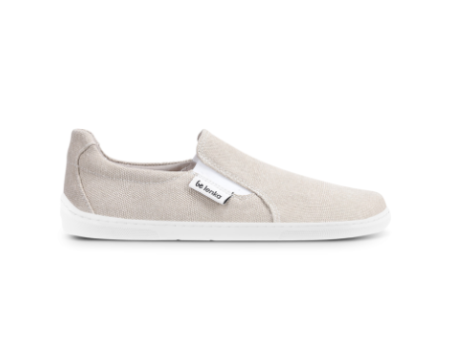
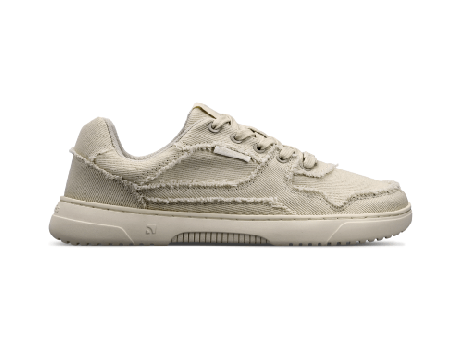
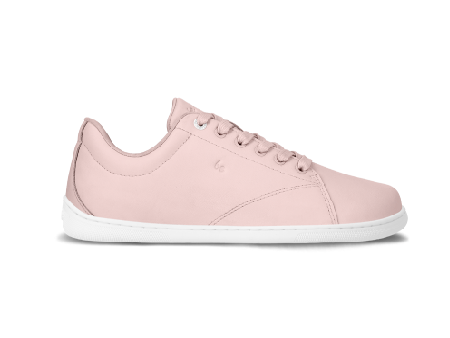
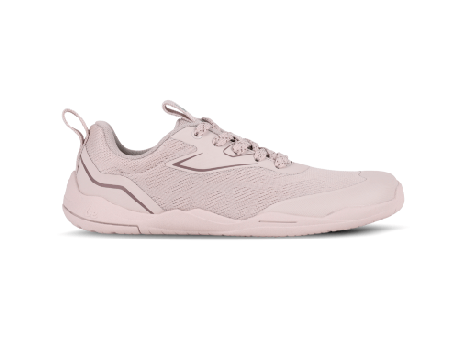
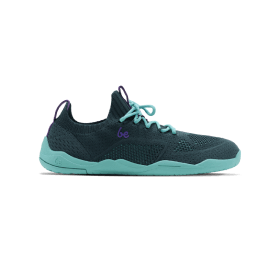
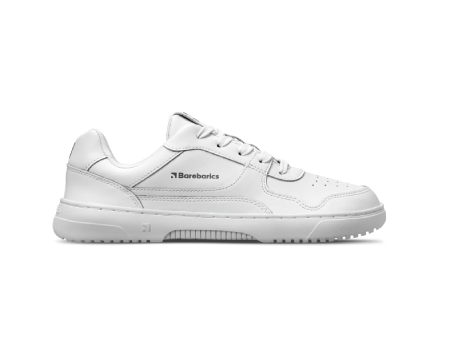
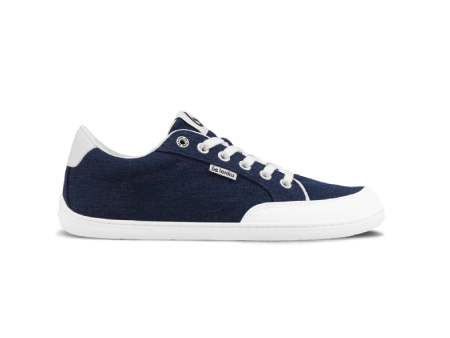
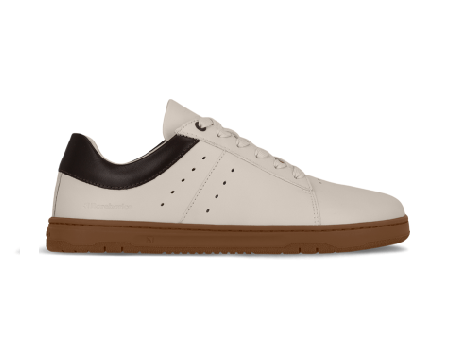
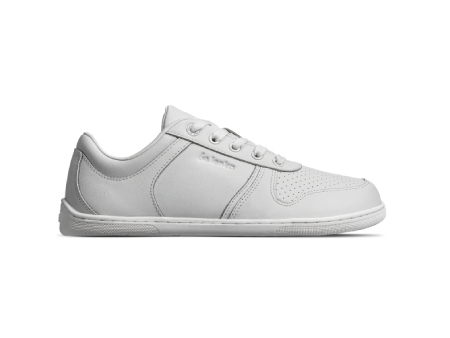
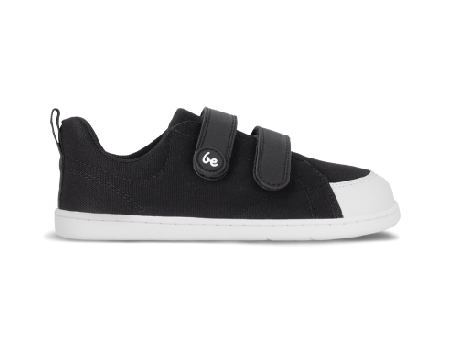
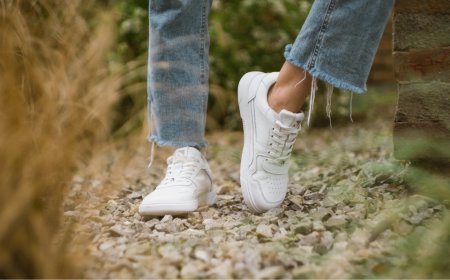
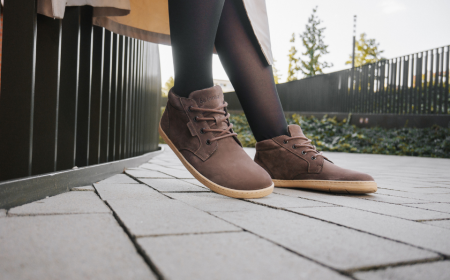
Barefoot low shoes and lace-ups, women's slip-on trainers or men's slip-on trainers can all be good choices. White barefoot trainers also suit neutral outfits and are widely wearable thanks to their clean lines and minimalist design. Styles like these can ground a bolder outfit rather nicely.
Office shoes for wide feet and bunions
A wide foot, a bunion or sensitive pressure points can make even an ordinary working day uncomfortable. A narrow toe box usually pushes the toes together, creating pressure and sore spots. Anatomically shaped footwear can help by giving the forefoot as much room as it needs.
With a bunion, it's important to choose shoes that don't press on the big toe and that leave the toes plenty of space. That doesn't mean footwear treats or corrects a bunion. It can, however, contribute to less pressure in everyday wear, particularly if you choose the right size and a suitable cut.
Office styles for wider feet come with a wider cut as standard and still look elegant with work outfits. For more sensitive feet, it's worth spending extra time on sizing rather than going by the number in your old shoes.
How to get used to barefoot shoes
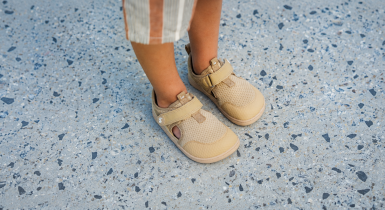
If you're new to barefoot footwear, you don't have to take on a whole working day in a new pair straight away. The transition is individual, and your feet can adjust to more room, a flexible sole and zero drop gradually.
For the first few days, wear barefoot shoes for shorter stretches – just the morning, say, or on a less demanding day. You can keep a spare pair at the office and swap as needed. Then extend the wear time bit by bit. The aim isn't to push through at all costs, but to give your feet time to get used to moving naturally.
How to choose the right size
With office shoes, taking the size you usually wear isn't enough. Every model can fit slightly differently. Measure both the length and the width of your foot and compare them with the size chart for that specific model.
With barefoot shoes, the usual allowance is around 0.5 cm, depending on the type of shoe and the fit you prefer. If you're between two sizes, the larger one is often the better call, especially for shoes you plan to wear all day. Our guide on how to measure your foot can help, or you can scan your foot directly in the Be Lenka app.
Give yourself comfort with barefoot shoes
If you get home in the evening wanting nothing more than to kick your shoes off, try a different approach. Office footwear can be elegant, tasteful and comfortable to wear all day long. All it takes is choosing a model that respects both your feet and your style. Give yourself comfort for every working day and try barefoot shoes that slot easily into your everyday outfits.
Which barefoot shoes work for the office?
+ -The office suits loafers and ballet flats best – they look elegant and combine easily with work outfits. If your workplace has a more relaxed dress code, you can also reach for slip-on styles, barefoot low shoes and lace-ups or white minimalist trainers. What matters is a tidy look, the right size and a comfortable cut.
Are barefoot loafers suitable for work?
+ -Yes, barefoot loafers can be a good choice for work if you want a smart look and all-day comfort at the same time. Softer leather, a roomy toe box and a flexible sole make standing, walking around the office and trips between departments or out to lunch more pleasant. Choose the model according to your foot width and your workplace's requirements.
Are barefoot ballet flats comfortable for all-day wear?
+ -Barefoot ballet flats can be comfortable all day if you choose the right size, they sit well at the heel and they don't press around the toes. If you're new to barefoot footwear, wear them for shorter periods at first and extend the intervals gradually. That lets your feet adjust to the new feel more naturally.
Will barefoot shoes last a whole working day without hurting?
+ -With the right size and a suitable model, barefoot shoes can make the working day considerably more comfortable. We don't promise instant results or pain treatment. Some foot problems really do need a specialist's assessment. If you've worn narrow or stiff shoes for years, give your feet time for a gradual change.
Are barefoot shoes suitable for wide feet or bunions?
+ -Yes – the anatomical toe box gives the toes more room, which can help reduce pressure across the forefoot. With a bunion or a wider foot, the key is that the shoe doesn't press on sensitive spots. As a smart option for the office, the Buena model with its wider cut as standard may be a good fit.
Can barefoot shoes be worn with formal clothing?
+ -Yes. Choose models with clean lines in neutral colours such as black, brown or navy. Women can wear them with tailored trousers, a knee-length skirt, a dress or a blazer. For men, they work with chinos, a shirt, a tasteful jumper or a smart-casual blazer.
Do you think others should know about this too?
Share it :)